
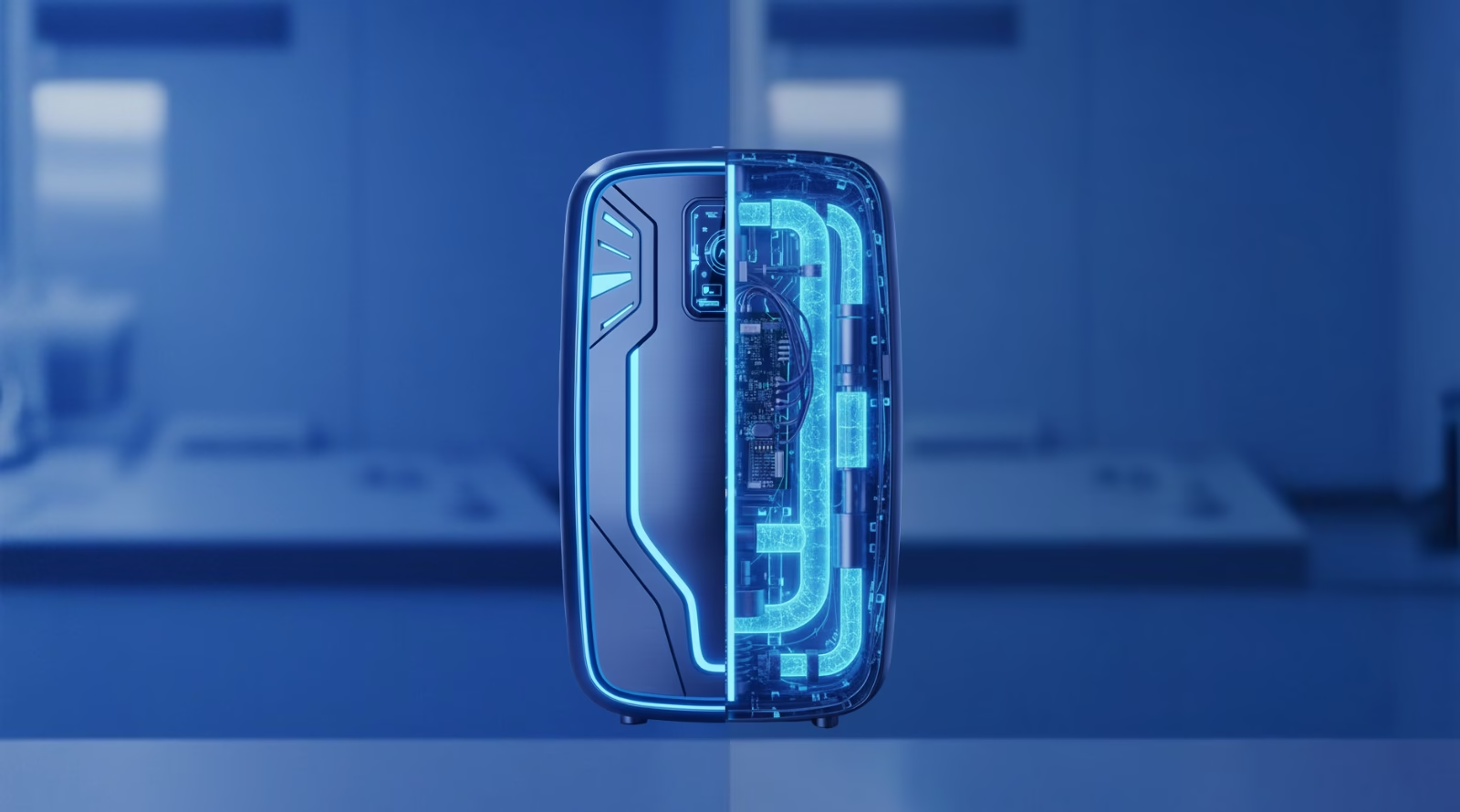
Smart Water Heaters: The Modern Way to Enjoy Hot Showers
Picture-Perfect Mornings: Why We Need Smart Warmth
On a freezing winter morning, the worst thing is stepping into the shower and finding the water ice-cold because the heater wasn’t turned on in time.
Traditional water heaters often compromise comfort, as they heat unevenly, consume more energy than necessary, and require manual control at all times. Moreover, they don’t understand your schedule, don’t adjust to your usage, and don’t give you a heads-up about issues like overheating or low efficiency.
Smart water heaters eliminate this and offer heat that is just in time, can be expected, and is even personalized. They make your mornings automated, safe, and energy-efficient, and thus, every shower feels exactly as you expect.
Smarter Than Your Everyday Shower: Technology That Heats With Foresight

Smart water heaters add a new dimension of intelligence to standard comfort by incorporating three features: connectivity, precision, and learning-based efficiency.
With built-in Wi-Fi or Bluetooth, these systems let you control remotely, whether you’re still in bed or returning home after. Through a dedicated mobile app, you can schedule heating cycles, adjust temperatures, track energy consumption, and ensure hot water is always ready exactly when you need it.
This intelligence is essentially supported by a range of advanced sensors. Temperature, flow, pressure, and leak-detection sensors are always monitoring conditions in real-time, thus they guarantee the heating that is both stable and safe. These sensors enable the heater to detect anomalies early, preventing issues like overheating, dry heating, or water wastage.
Smart algorithms take a step further and analyse users’ habits as well as environmental factors in order to deliver optimum performance. In essence, the system gets acquainted with your everyday routine, like times of showers, temperature settings, and usage habits of the household. After that, it automatically changes heating times to save energy and still provide warm water without interruption.
Together, connectivity, sensors, and intelligent algorithms transform traditional heating into a proactive, efficient experience, bringing reliable warmth with far greater control & convenience.
Warmth, Customized: Navigating the Smart Heater Universe
Each type of smart water heater is carefully engineered to fit different domestic installations, consumption habits, and eco-friendly energy choices. Smart water heaters offer instant heating without storing water, eliminating standby energy loss. Their compact size and instant heating are ideal for trendy apartments that are looking for energy-efficient and space-saving solutions.
Compared to other types, smart water heaters are the easiest ones to set up and maintain. They are easy to operate through app-based controls that offer energy consumption monitoring in real-time, temperature regulating, and scheduling options. Those systems are best for homes with a stable power supply and a preference for quiet operation.
Smart water heaters deliver fast heat recovery, higher flow rates, and lower running costs in regions with economical gas, supported by smart ignition and combustion-efficiency monitoring. It also offers simpler installation, PID-based temperature precision, and detailed energy analytics. Gas heaters suit large households, while electric models benefit smaller homes seeking quiet, digitally optimized heating.
In the end, choosing the right smart heater depends on your household size, energy costs, and lifestyle needs.
The Smarter Side of Heating: Key Features You’ll Love
Smart water heaters elevate the level of comfort and personalization in the houses of today through the features they offer, which make hot water usage easy, safe, and energy-saving. At the heart of these systems is intelligent control allowing users to adjust temperature, track usage, and activate heating cycles directly from a mobile app or voice assistant. Whether you’re still waking up or returning home after a long day, your perfect water temperature is always just a tap away.
Equally powerful is advanced scheduling. Smart heaters learn your daily routines and automatically heat water at the right time, eliminating unnecessary energy consumption. This not only ensures consistent comfort but also reduces electricity bills over time.
Safety is another area where smart technology shines. Built-in sensors actively monitor pressure, temperature, and flow, providing real-time alerts and automatic shut-offs to protect your home against leaks, overheating, and unexpected breakdowns. These features safeguard both your family and your appliance.
Last but not least, smart water heaters are part of a green lifestyle. The units are equipped with energy-saving modes. Altogether, these inventions transform a regular heater into home’s smart, responsive, and efficient solution.
Why Choose a Smart Water Heater?
Smart water heaters go beyond basic heating. They combine intelligence, efficiency, and safety to transform your everyday hot water experience.
- Consistent Temperature Control: Smart water heaters keep the temperature at your preferred setting with accuracy and do not let the temperature fluctuate suddenly or require you to make manual adjustments.
- Energy Efficiency & Cost Savings: The intelligent heating schedules, usage analytics, and learning algorithms are the main energy-saving strategies of the system, which then result in a reduction in the monthly electricity or gas bills.
- Remote Access & Convenience: Using the mobile app, you can control your heater anytime and anywhere. You can heat the water before you get up, keep track of the device’s performance, or turn it off remotely for safety.
- Smart Scheduling & Automation: Set up the heater to operate when you want it according to your daily routine. The device only operates when it is necessary, thus it saves on heating time that would otherwise be wasted.
- Enhanced Safety Features: In the event of overheating, leaking, dry heating, or abnormal pressure, a timely alert is given for safer operation of the appliance compared to conventional heaters.
- Long-Term Durability: The AI optimizes heater operation by reducing operational components, hence it gives a longer life to the heating parts, and maintenance costs are lowered.
- Usage Insights & Monitoring: Through the implementation of real-time monitoring systems, energy usage can be tracked, water consumption patterns easily discerned, and efficiency metrics used for the optimization of home energy management.
- Eco-Friendly Operation: Because of the decreased use of power and the optimization of heating cycles, the device contributes less carbon to the planet and thus promotes sustainable living.
From Setup to Service: Smart Water Heater Essentials
Integrating a smart water heater into your home is easier than ever, yet getting the most out of it requires the right setup, regular care, and smart upgrade choices.
1. A Brief View of the Installation Procedure

- Site Assessment: Along with checking water pressure and electrical load, also do a check for a suitable gas line, and ensure proper ventilation for gas models.
- Mounting & Positioning: Avoid installing in damp areas, but otherwise put it in a place that is stable, well-ventilated, and has easy access for servicing and connectivity.
- Plumbing & Electrical Connections: Apart from the connections of inlet/outlet pipes and the installation of safety valves, also check that the heater is properly grounded and has surge protection.
- Sensor Calibration: Temperature, flow, leak, and pressure sensors should be adjusted to correct levels so that they operate properly.
- Smart Configuration: Allow Wi-Fi connection, mobile app pairing, user profiles, schedules, and alerts for the heater.
- Safety Verification: The final run with the tests should also include the safety shut-off testing to see if they react properly, besides the verification of stable heating and leak check.
2. Maintenance Tips & Best Practices

- Regular Descaling: Descale regularly to prevent the formation of mineral deposits, especially if you are in a hard water area, and thus, keep the heating process efficient.
- Sensor Health Checks: Confirm the accuracy and sensitivity of temperature and leak sensors by visually checking or testing them quarterly.
- Rinsing Internal Pathways: Keep water flow consistent by flushing deposits that collect inside the tank or heating chamber.
- Update Firmware: Make sure to always update the heater software to be able to use the new features, better algorithms, and enhanced safety.
- Monitor App Insights: Check energy consumption reports to adjust heating schedules in an energy-efficient way and thus, save on utility expenses.
3. Transforming or Upgrading Conventional Water Heaters
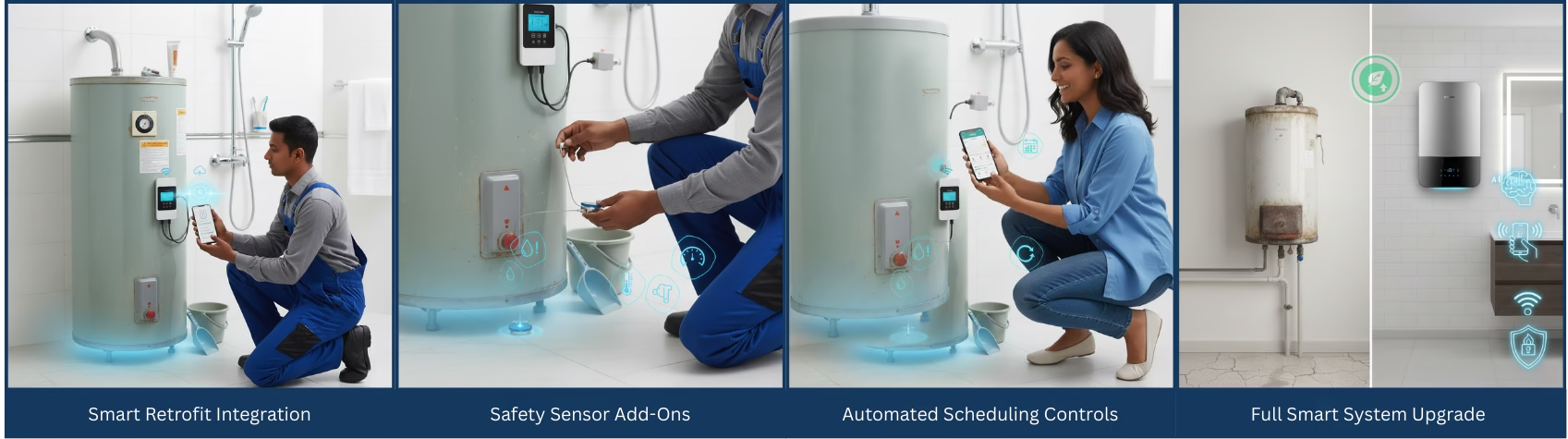
- Enhance system compatibility by retrofitting older heaters with smart thermostats or IoT-enabled switches, enabling integration with modern IT devices and allowing full app-based monitoring and control.
- Install leak-detecting devices, temperature sensors, or pressure monitors for better safety.
- Use timers or programmable switches to create the effect of smart scheduling.
- If you are intending to replace an old unit, switch to a smart water heater to improve efficiency and long-term performance.
The Future Flow: What’s Next for Smart Water Heaters?
Smart water heaters are rapidly becoming essential to modern homes, driven by rising demand for energy efficiency and intelligent comfort. Consequently, the integration of AI with features like app control, leak-detection sensors, and sustainable operating modes is transforming how the market operates.
Future developments will include solar-integrated systems, self-cleaning technologies, and advanced algorithms that learn your routine for optimal performance.
As smart water heaters evolve, manufacturers need reliable electronics, sensors, and high-precision assemblies to stay ahead. Partner with Syrma SGS for end-to-end electronics manufacturing solutions that power the next generation of smart, connected water heating systems.
Disclaimer: Images used in this Blog are AI generated