Syrma SGS

Blog Articles

Elevating Smartwatch Manufacturing: SyrmaSGS’s Unparalleled Capabilities

In the rapidly evolving landscape of consumer electronics, smartwatches have emerged as a symbol of innovation, convenience, and personalized technology. Behind every feature-rich smartwatch lies a complex journey of design, engineering, and manufacturing. SyrmaSGS, a renowned technology solutions provider, stands at the forefront of this journey, showcasing unmatched capabilities in the manufacturing of smartwatches. In this article, we delve into the unique strengths that set SyrmaSGS apart and establish it as a trailblazer in the realm of smartwatch manufacturing. Expertise in Miniaturization and Precision Engineering Creating a smartwatch is a feat of miniaturization and precision engineering. SyrmaSGS boasts a team of experts with a deep understanding of designing and engineering intricate components that fit seamlessly within the compact form factor of a smartwatch. From microprocessors to sensors, every element is meticulously designed to ensure optimal functionality without compromising on aesthetics. End-to-End Manufacturing Solutions SyrmaSGS offers comprehensive end-to-end manufacturing solutions for smartwatches. This includes design, prototyping, sourcing of components, PCB assembly, testing, quality control, and final assembly. The company’s integrated approach streamlines the manufacturing process, allowing for seamless coordination and consistent quality throughout. Customization for Unique Brand Identities Every smartwatch brand aims to convey a unique identity through design, features, and user experience. SyrmaSGS recognizes the significance of brand differentiation and offers customization options that align with each brand’s vision. Whether it’s the exterior design, display technology, or user interface, SyrmaSGS tailors the manufacturing process to meet specific brand requirements. Advanced Manufacturing Facilities SyrmaSGS’s state-of-the-art manufacturing facilities are equipped with cutting-edge technology and machinery. This enables the company to handle intricate assembly processes, such as soldering micro-components onto PCBs and integrating various modules seamlessly. The advanced facilities also contribute to efficient production timelines and consistent product quality. Quality Control and Testing Protocols Ensuring the reliability and performance of smartwatches is paramount. SyrmaSGS implements rigorous quality control and testing protocols throughout the manufacturing process. From component inspection to functionality testing, each smartwatch undergoes a series of tests to identify and rectify any issues before reaching the hands of consumers. Embracing Innovation and Emerging Technologies The world of smartwatches is marked by constant innovation and the incorporation of emerging technologies. SyrmaSGS stays at the forefront of these advancements, collaborating with clients to integrate features like heart rate monitoring, GPS tracking, NFC payments, and more. The company’s expertise in incorporating these technologies seamlessly contributes to the enhanced user experience of the final product. Sustainable Practices in Manufacturing In an era where sustainability is a global priority, SyrmaSGS stands committed to eco-friendly manufacturing practices. The company employs responsible sourcing of materials, reduces waste through optimized designs, and adheres to environmentally conscious production methods. This dedication to sustainability aligns with the values of brands looking to create not only innovative but also environmentally conscious smartwatches. Scalability and Flexibility SyrmaSGS’s manufacturing capabilities are not only advanced but also scalable and flexible. Whether a brand is launching a small batch for market testing or a large-scale production for global distribution, SyrmaSGS has the capacity to adapt and accommodate varying production volumes while maintaining consistent quality standards. Conclusion: Smartwatch manufacturing requires a delicate balance of technological prowess, design finesse, and unwavering commitment to quality. SyrmaSGS has not only mastered these aspects but has elevated them to new heights. As a leader in technology solutions, the company’s capabilities in smartwatch manufacturing encompass everything from precision engineering to customization, advanced facilities, innovation, sustainability, and scalability. In the dynamic world of smartwatches, SyrmaSGS stands as a true partner, bringing brands’ visions to life with excellence and expertise.

Elevating Smartwatch Manufacturing: SyrmaSGS’s Unparalleled Capabilities Read More »

What does the future hold for Electric Vehicle Telematics

What does the future hold for Electric Vehicle Telematics?

Telematics is the use of telecommunications to provide information about the status and location of a vehicle. Telematics can be used to monitor a vehicle’s location, speed, fuel level, engine diagnostics, and other parameters. Vehicle telematics is a relatively new technology that has been around the market for less than 10 years. It has been used in many different ways, but it is most commonly used to track vehicles and monitor their performance. The first use of vehicle telematics was in the military, where it was used to monitor the location and status of vehicles. This technology was then adapted for use in commercial applications such as fleet management, logistics, and emergency response. Telematics in Electric Vehicles   Electric vehicles are becoming more and more popular. They are not only environmentally friendly, but they also have a lower cost of ownership. The future of electric vehicles is bright. The number of electric cars on the road is increasing every year and the number of charging stations is also increasing. EV telematics system provides in-depth analysis and insights for fleet owners. This includes information about the driver’s whereabouts and how well the person is driving the vehicle. It also allows fleet owners to set up notification and alerts when drivers are speeding, getting involved in unauthorized driving, potential accidents or breakdowns. How do EV telematics systems operate? In-vehicle hardware and cloud-based technologies are combined to make EV telematics function. Though no two telematics systems are exactly alike, the hardware component is often plugged into the vehicle or attached to the on-board diagnostics port, where it gathers data and transmits through an internet network to an online platform. Fleet managers can then access all the data and insights through a dashboard. This dashboard shows detailed information on performance metrics that are tracked over time and in real time, which they can use to make important decisions and design effective routes, among other things. Advantages of EV telematics Fleet Management Many last-mile delivery vehicles are now battery-powered. Field service managers may develop effective route management strategies, benchmark vehicle use, keep an eye on charge reporting, and assess how well their plans are working to cut costs and emissions. Firmware Update The telematics device can also serve as a bridge for firmware updates of the ECU and electronics within an electric car due to ongoing improvements in charging algorithms and software for electric vehicles. A server and an OTA update mechanism can be attached to the telematics device with LTE connectivity for updates. Driving Experience When operating an electric car, it is crucial for the driver to be aware of its range, locate its nearest charging station, and plan his route accordingly. The Telematics device can locate the vehicle and can also assist in pre-reserving the charging place at a station to reduce waiting time. Notifications and Alerts The telematics systems can assess the battery level and notify the driver through SMS that they must locate a parking area right away. To prevent problematic circumstances on the road, the telematics system can also send out emergency alerts regarding battery problems in real time. Charging Analytics Telematics can help keep track of the battery’s health and charge level as well as supply important information needed to enhance vehicle algorithms. Electric vehicle manufacturers are always adopting upgrades and improvements in terms of battery size, weight and charging time. Are you looking for the best EV telematics solution for your fleet of vehicles ? Syrma SGS can assist you in identifying and creating the ideal solution for your company. Get in touch with our team right away, and we will learn all about your company, fleet, and day to day operations to determine which telematics devices would be most beneficial for your business. Syrma SGS has been the preferred EMS partner of reputed customers for over 40 years through innovative and efficient Electronic System Design and Manufacturing. The company provides a high-mix, flexible volume precision OEM manufacturing. Syrma SGS has proven expertise in product design, quick prototyping, PCB assembly, box build, repair & rework, and automatic tester development services. Syrma SGS serves global OEMs in 20+ countries and has supplied several hundreds of million units to satisfied customers.

What does the future hold for Electric Vehicle Telematics? Read More »

Smart Appliances as an Smart home enabler

The modern technology-driven era has gotten so advanced that developing meaningful collaboration between humans and machines has become a lot simple. With advancements in AI in the form of digital assistants, functions such as searching the internet, initiating calls and connecting to devices has become a lot easier. These assisted devices are embedded into smartphones or can serve as a standalone device as well. Let us take a look a few scenarios where appliances make use of AI and IoT in delivering maximum value to its users:   Smart Refrigerators What if you can remotely monitor and assign functions to your refrigerators just using your smartphone? What if you can alter the temperature of the fridge right from your mobile device? Or even schedule the temperature of the refrigerator for a specific timeline – you can do that and a lot more using your smartphone.   Smart Speakers Smart speakers are easily the most commonly used devices that makes use of machine learning and AI. Technically speaking, any speaker that does more than just playing music can be labelled as a smart speaker. Wireless speakers such as Amazon Echo, Apple’s Home Pods or Google Nest have all voice recognition feature enabled backed with Bluetooth, NFC and speakerphone. What this does is that it enables interactions using our mobile phones – thereby making them smart. You can not only ask the smart speaker to play the song you need or read out reminders set, you can use it to control the smart electronic appliances in your home such as smart lighting devices such as bulbs and even the smart security system set for your home.   Smart Air Conditioners March 2022 was said to be the hottest in India’s 122-year-old recorded history. Also, imagining a day without air conditioner has become impossible, especially during the summer season. Smart and connected ACs have been getting a lot of attention in the last couple of years. Being able to remotely operate your AC using your smartphone while you are reaching home, and feeling the rejuvenation kick in as soon as you step in your home – thanks to IoT and advancements in technologies. Further to this, you can control your AC with voice controls as well. With ML and AI capabilities imbibed in ACs, the temperatures will be automatically adjusted based on the room temperature and customer preferences.   Smart TV The traditional TVs that can display content only from a HDTC antenna or cable or A/V source – are technologies of decades back. The modern day “Smart” TVs are powered by powerful processors, internet connectivity and easy-to-navigate software. They support a huge range of apps and can be used to playing high definition games, checking social media and a lot more. They come with inbuilt voice recognition tools such as Amazon Alexa and Google Assistant which makes it convenient for users to switch channels, search for specific apps, alter the volume and perform a whole lot of functionalities. The smart TVs support 802.11 ac Wi-Fi and the latest models support the Wi-Fi 6 standard, which calls for fast seamless steaming of movies online as well as great online gaming capabilities. With Xbox and PlayStation more focused on cloud gaming, smart TVs powered by the latest and greatest technologies can be game-changer. Moreover, Smart TVs are being used by businesses such as real estates, supermarkets, retail outlets for digital signage purposes where they serve dynamic video content to their customers.   Smart Kitchen An area composed of kitchen equipment that is connected via Wi-Fi or Bluetooth is referred to as Smart Kitchen. These equipment found in smart kitchens connect with your smartphone or tablet, allowing users to control appliances remotely. The key benefits associated with smart kitchens are: increased output, lower overhead costs and high safety. Ovens, grills, coffee makers and dishwashers have all turned smart with the help of IoT technologies. Restaurants are making use of smart kitchens to improve many aspects of their business such as faster preparation times, energy-efficiency and better quality of food.   The Present and Future – What Unfolds During and after the unprecedented times that followed COVID, most offices have switched to hybrid or a full work from home model. This has encouraged most professionals to put in considerable effort towards making their home comfortable in every possible way. What better way to make your home comfortable than making it “Smart”? With multiple players trying to enter the smart home market, it is going to be a highly competitive space to be in. On the other hand, consumers are going to be filled with lots of choices. The companies that come up with the best products and value for the end consumer will definitely “outsmart” the others in the competition.   Our Expertise in the field of manufacturing With over 40 years of experience in the field of innovative and efficient electronic system design and manufacturing, Syrma SGS serve as a one-stop solution provider for high-mix, flexible volume and precision OEM manufacturing. We also serve global OEMs in over 20+ countries across the globe and have so far supplied hundreds of millions of units.

Smart Appliances as an Smart home enabler Read More »

E-seal tags for energy meters

E-seal tags for energy meters

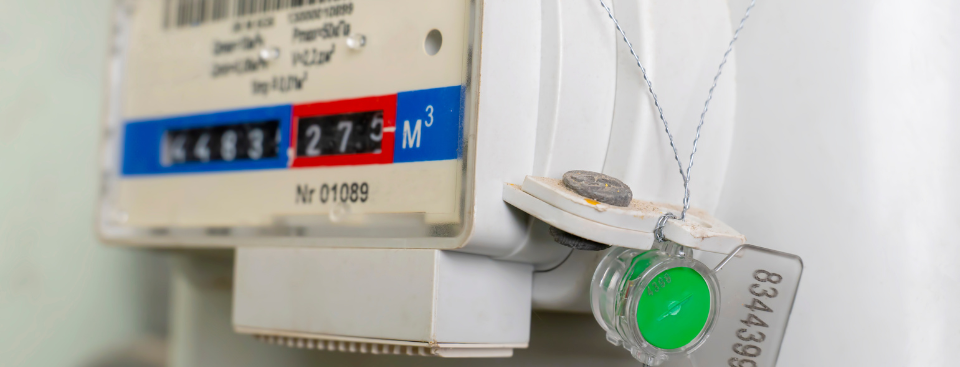
Electrical energy is the most commonly used form of energy India in domestic, commercial and industrial segments. The cost of producing electrical energy is steadily increasing year on year and in the financial year 2020, the average cost was Rs. 6.15 per KWH. Energy theft, widely spread across regions, causes heavy losses to electricity boards. Power theft – India loses more power than any country in the world! *According to a study by the Northeast Group, the Indian power sector loses around USD 16.2 billion due to theft every year – more than any other country in the world. The state of Maharashtra alone including Mumbai loses USD2.8 billion every year. According to estimates from the World Bank, power theft reduces India’s GDP by 1.5 % and a recent survey found that 40% of electricity consumption is unpaid and approximately one-fourth of the electricity produced is lost in transmission or is stolen. Theft happens in various ways. Power is tapped directly from the lines at the pole often in connivance with the local worker from the power company – the most blatant form of theft. Other methods include damaged or adjusted power metering equipment to achieve under billing and evasion. The simplest and most common kind of theft is the tampering of the lead seal of the electrical energy meter. This old fashioned security depends on the steel seal on the pliers of the operator to distinguish between an authentic seal and a tampered seal. Thankfully, high-tech has come to the rescue to prevent, detect, and address the loopholes that have enabled electricity theft all along, something the power sector so urgently requires. Today’s energy meters come with RFID seal tags that are fool proof and effective. RFID – preventing power theft through technology This intelligent RFID technology based seal management system can effectively address the problems of theft and pilferage. The RFID electronic seal can be applied to electricity meters, gas meters/water meters etc. In this approach, the product is assigned a systematic digital code. The product and the code are unique and the system is managed by a computer. Each seal securing a meter is checked on the computer, completely eliminating the possibility of internal/ external electricity theft at source. The seal applies a one-time blockade that cannot be cracked open without damage. The process of sealing involves a steel wire (sealing line) and this can only be tightened once and cannot be pulled out. After the one-key sealing, an RFID reader can be used to achieve non-contact data collection of the electronic seal into a handheld inspection device and this can be sent back to a database for inspection and analysis. To unpack, the seal needs to be cut with a special tool for one-time use. An identification chip with a unique ID number is embedded inside the seal. This ensures the uniqueness of the seal number. The seal is printed with a highly secure unique code, set by the company. The blend of RFID technology and 2D code helps achieve effective anti-counterfeiting. For starters, the seals cannot be forged. Secondly, inspection is reliable and inspection errors are reduced to a minimum. Also, the electrical company can achieve a completely secure management process of the power metering equipment. The entire cycle of seal management is handled in a professional manner and each operational process from warehousing to encryption to disbursement to sealing to inspection, unsealing and verification is clearly recorded making the process highly scientific and traceable. Importantly, the product is completely green and does not contain pollutants or toxic substances. It is also easy to recycle. Syrma SGS – a leader with a proven track record in RFID solutions Syrma SGS Technology has a high level of expertise in RFID solutions. The company develops RFID tags, RFID readers, and software for access control monitoring, inventory management, product authentication, etc. Syrma designs, engineers, and manufactures RFID tags in clear, epoxy, glass, and molded encapsulations covering standard wavelengths (LF, HF, and UHF). Syrma SGS has proven expertise in manufacturing communication modules, energy monitoring and asset monitoring devices. The company is enabling the Smart Meter National Program with its capabilities in manufacturing RF nodes and modules that go into the box build assembly of smart electric meters. Syrma SGS is also engaged with major players for smart water meters with IoT features incorporated. The company designs multi-protocol, custom-made, readers compatible with standard RFID tags and connects with iOS and Android devices. Syrma SGS has been the preferred EMS partner of reputed customers for over 40 years through innovative and efficient Electronic System Design and Manufacturing. The company provides a high-mix, flexible volume precision OEM manufacturing. Syrma has proven expertise in RFID tags, cards and underlying technologies and offers OEM solutions to businesses across domains in this space. The company has proven expertise in product design, quick prototyping, PCB assembly, box build, repair & rework, and automatic tester development services. Syrma serves global OEMs in 20+ countries and has supplied several hundreds of million units to satisfied customers.

E-seal tags for energy meters Read More »

Miniature Transformers and Inductors

Miniature Transformers and Inductors – Ushering the future in miniaturized devices

Miniature transformers and inductors are used in several electronic products and appliances today. Inductors are designed for use in power supplies of smart phones, tablet PCs, digital cameras and other mobile devices where the idea is to have more functionality in small real estate. With developers constantly pushing the envelope of technology to reduce the size of devices while enhancing functionality, the size of each component matters. Inductors are an essential component of modern electrical circuits and have applications as diverse as information processing, wireless circuits, and mobile chargers. The fundamental principle of induction has been the same – coils of wire wound to specifications, since the concept was discovered by physicist Michael Faraday in 1831. There has always been a challenge in miniaturizing inductors since inductance is directly proportional to the volume which means if you reduce the volume by 50%, the inductance also drops by half. *Recent developments are attempting to reduce the size of an inductor to micro-scale dimensions through a quantum effect achieving a required inductance with the volume being a million times smaller! This is sure to pave the way for smaller devices in the future. Syrma SGS manufactures inductors that operate over a wide range of frequencies, input voltages, and inductance values.  Our magnetic inductors are designed to operate over a wide range of frequencies, input voltages and inductance values. They can be varnish impregnated, moulded, or potted with epoxy in an enclosure. These are available with fly leads, PCB pins, solder terminals, or screw terminals and can be fixed, shielded and use many standard mounting styles. We provide the following magnetic inductors: Air core Common mode Ferrite core Fixed inductors Powdered iron core Power line chokes/filters Shielded inductors Toroidal inductors   Small-sized transformers are used extensively in sensitive electronic appliances such as camcorders, audio devices and various other hand-held devices. These are integrated into electronic circuits to generate the right voltage and have to be accurate, reliable and energy-efficient. Miniature pulse transformers are used in LAN applications to meet the demands due to increased transmission speeds of Ethernet networks. Also, several transformers are placed on a single circuit board which means the individual component size becomes extremely crucial. Advanced automated winding processes have to be deployed to enable mass production of accurate and reliable devices. This is crucial to ensure performance variations, characteristic of manual winding ensuring consistency and quality. Syrma SGS Technology’s ferrite core transformers are typically produced up to 500W with a typical frequency of up to 300KHz. Ferrite cores are available in many shapes, including E, EC, EP, ETD, PC (pot), PQ, RM, RS (slab), rods, TC (toroidal), and U. The company manufactures both through-hole and SMD type transformers. Our full line of magnetic transformers include: Ferrite/metal powder/nano-crystalline E core transformers High-frequency toroidal transformers Impedance matching transformers Pot core/RM transformers Other geometries EI/EF/ER/EFD/EP Signal transformers Syrma offers an exhaustive range of common-mode magnetic chokes, including toroidal core, epoxy-encapsulated, and three-phase chokes. These include: High current chokes for industrial welding Large volume chokes for EMI/RFI filters Bobbin wound, toroidal, SMT, and PTH For over 40 years, Syrma SGS has been the preferred value creator for its customers through innovative and efficient Electronic System Design and Manufacturing. The company provides a high-mix, flexible volume, precision OEM manufacturing. Syrma’s one-stop-solution Electronics Manufacturing Services (EMS) includes product design, quick prototyping, PCB assembly, Box build, repair & rework and automatic tester development services. The company is strongly focused on R&D and has produced several innovative solutions leveraging cutting edge design and manufacturing techniques. The company also offers OEM solutions for RFID tags & inlays and high-frequency magnetic components. Syrma SGS serves global OEMs in over 20 countries and has supplied several hundreds of million units.

Miniature Transformers and Inductors – Ushering the future in miniaturized devices Read More »

Industry trends in PCB design

Printed Circuit Boards (PCBs) impact our lives in more than one way, in fact touching every moment of our lives – from mobile phones we wake up to each morning to geysers, toasters, cars, laptops, treadmills, food processors, televisions, entertainment systems, lighting consoles, massagers and everything else we touch and experience, there is a PCB driving functionality, helping us with our tasks. With automation and cutting edge electronics getting increasingly pervasive, industries from aerospace to medical electronics to commercial electronics, are heavily embracing automation to deliver advanced capability and functionality. This has led to a demand for newer materials, faster and more efficient components, improved PCB design and manufacturing technologies. PCB manufacturing, a highly competitive and technology driven space is continuously evolving. Here are some of the recent trends. High Density Interconnect High Density Interconnect (HDI) is a manufacturing approach that addresses the ever-increasing demand for minaturised products with more functionality, particularly in terms of routing traces. This feature enables fewer layers in the PCB stack and high-speed signal transmission. HDI manufacturing faces challenges with fabricating traces considering that a larger number of traces could be routed within a smaller area, leading to aspects such as noise and interference. Variants of this concept include Every Layer Interconnect (ELIC) and Any Layer Interconnect (ALIC), also set to experience robust growth over the years. High Power Boards (48V and above) There is a growing focus on producing higher power PCBs and this includes boards with up to 48V power supply. These voltage levels are being driven by a growth in solar energy whose panels operate typically at 24V/ 48V and electric vehicles (EVs) where the voltages are in 100s of Volts. These boards need to handle very high current as well to address these new requirements. High power PCBs are required to house larger components like battery packs and also handle interference issues more effectively. These boards also demand different packaging and mounting needs along with heat dissipation requirements. IoT (Internet of Things) The Internet of Things (IoT) is a fast growing paradigm of controlling devices and appliances over the net. This multi-layer design strategy demands fast wireless communication between layers and elements. IoT is powering smart homes, offices and remote monitoring/ control. One of the key challenges in the manufacturing of IoT PCBs is ensuring the various standards and regulations are met as defined by the governing bodies and authorities. These boards also call for a very long life in harsh environments. Flex PCBs and Stretchable Electronic Circuits Flex and rigid-flex PCBs are the new kids on the block in PCB development and are gaining excellent market share. It is predicted that in the next couple of years, about a third of all PCBs manufactured would be flex. Flex boards deliver increased capability, small size, improved reliability and more options in terms of materials. There are however a few important aspects to be considered about flex board manufacturing before deciding on this for your project. Stretchable Electronics are the new kids on the block – promising a paradigm shift in electronics circuit design, application and use. These stretchable circuits can be used across different applications like wearable Healthcare, industrial use, automotive, etc. Commercial-Off-The-Shelf Components COTS components or Commercial-Off-The-Shelf components are one of the other emerging trends towards trying to usher in a bit of standardization and reliability of components in critical space-based environments. Traditionally, components used in the manufacturing for space applications have been subject to stringent scrutiny. With the commercialization of the industry, there may be a reduction in the regulation of components. An example of this is the standardization of USB type C specifications for charging infrastructure of small devices. Syrma SGS – A proven EMS partner with expertise, logistics and product mix With a proven track record spanning 40 years, Syrma SGS is one of India’s most innovative and efficient companies in Electronic System Design and Manufacturing. Syrma provides a high-mix, flexible volume, precision OEM manufacturing. Our one-stop-solution electronics manufacturing services (EMS) includes product design, quick prototyping, PCB assembly, Box build, repair & rework and automatic tester development services. Syrma SGS also offers OEM solutions for RFID tags & inlays and high-frequency magnetic components. We serve global OEMs in 20+ countries and have supplied several million units to date. We are part of the Make in India initiative of the Government of India and leverage the Indian manufacturing ecosystem for our clients, offering them distinct competitive advantage to win in the global marketplace.

Industry trends in PCB design Read More »

E-seal tags - A Digital Innovation in the Logistics Industry to ensure Container Safety!

E-seal tags – A Digital Innovation in the Logistics Industry to ensure Container Safety!

“Staying safe and secure” has to be the unofficial tagline for the last decade and the current one. Be it the confidential information on our phones or the banking details that are saved in our notes, security and privacy of data have been the topic of concern for most people. Large enterprises like Apple, Google and Samsung have put privacy and data security as the front-running features of their smart devices more than their annual hardware upgrades. Why? Because people value security. Data leaks or losses can lead to huge losses to individuals, and the process of retrieving data back becomes all the more complex. Now, let’s just replace the term “individuals” with “businesses”. The overall disruption that this situation leads to is all the more tragic. A business involves the lives of many people including the stakeholders and the employees. Data loss can lead to even large enterprises losing their limelight within a matter of minutes. The Logistics Angle In the logistics industry, there are several goods being transported from different locations and hubs, before it reaches the end market. In such a business sphere where multiple stakeholders are involved – shippers, carriers, security managers, security professionals, transport planners and a large sum of money is involved, can you imagine the huge turmoil that lack of proper tracking of goods or loss of goods that lead to businesses and the nation as a whole? In the Indian Market alone – where approximately 2.5 to 3.5 million consignments are shipped every year, amounting to more than $300 billion in annual export turnover, the safety of the goods becomes prime importance. RFID and E-seals Companies have been using RFID tags to track and trace the goods for proper inventory control. Gone are the days when mechanical container seals were used to keep track of goods. A few of the main reasons why this has become obsolete is because these seals do not follow any industrial standards, they aren’t fool-proof which makes it easier to breach, and finally  – the seals do not offer any visibility on the movement of a shipment. This has further resulted in rising transaction costs and translation times, with no assurance of securing the supply chain. This is why Indian customs decided to replace mechanical seals with E-seals. This has significantly reduced the risk of fraud and security threats, and at the same time ensured higher levels of facilitation to traders. Since the majority of the thefts have been accounted to happen in moving trucks and containers, the Government and private companies have both joint hands in tackling this situation with the use of upgraded security systems – RFID E-seals. This has replaced the earlier bolt seals and serves its purpose to work well with the already existing GPS-tracking system in place. An RFID E-seal might look similar in appearance to bolt seals but are simpler and more effective to ease. They are backed by cutting-edge electronics and backed by RFID technology. The RFID E-seal comes with an RFID chip that stores a terminal ID (TID) number, which is unique to each and every shipment. The RFID E-seal TID contains details such as location, date and time of scanning. Once the container is sealed, the RFID E-seal can be removed only with the help of a metal or bolt cutter. But what makes it different from the bolt seals is that it can be reassembled. Also, this triggers an alert to the concerned authorities along with the details associated with the TID number. To sum it up, E-seals offer the following: Real-time alerts on suspicious movement Prevents the huge issue of container or truck door removal Live location tracking Advanced Analytics to inform stakeholders about means to better optimise logistics operations Easy record keeping of all cargos on the move It is because of cutting-edge digital technologies such as this that the logistics industry has been able to handle issues such as container theft and tampering. Moreover, RFID seals are one of the most cost-friendly solutions that can be implemented with no training needed at all. Why Syrma SGS? Syrma SGS holds over four decades of experience in building custom RFID solutions. Our RFID products have helped in asset management, inventory tracking, and enhancing efficiency thereby enabling cost savings. Having its active presence in over 20+ countries across the globe, and offering effective RFID solutions, Syrma SGS is one of the topmost electronics manufacturing services providers having experience and expertise in product design, prototyping, repair & rework and automatic tester development services.

E-seal tags – A Digital Innovation in the Logistics Industry to ensure Container Safety! Read More »

Quality Control and Processes that ensure quality in EMS

Quality Control and Processes that ensure quality in EMS

We are surrounded by devices and electronic gizmos in our life and each of them, without exception, depend on electronics – from mobile phones to game consoles to cars to kitchen appliances to entertainment devices, and more. Powering all of these are complex printed circuit board assemblies which house the various active and passive components. If you are a manufacturer that uses these PCB assemblies, you would know the importance of partnering with a company that has proven expertise and a high level of reliability – an EMS partner you can trust. Here is a snapshot of the quality control initiatives a reputed EMS partner is expected to have towards ensuring high quality and timely delivery. Comprehensive quality control processes and procedures – a must to ensure business continuity Quality electronics manufacturing demands a range of control processes and procedures. Quality control methods can be grouped under 3 categories – Component Management, Process Management, and Data Management. Component Management: All electronic devices depend on printed circuit boards and tiny, sophisticated components. The engineer designing the PCB has to have a clear understanding of the layout and the components he plans to use. Then is the act of sourcing these components. These have to meet the quality standards defined and be available on time. Challenges in terms of procurement, late deliveries and counterfeit could severely impact the project and the end product. To avoid these costly mistakes, quality control has to be maintained. Procurement and availability of components also plays an important role. Challenges such as shortage, late deliveries and counterfeits impacts quality and delivery schedules. To mitigate these risks, the following are critical: Checking on the availability of components at the designing stage Using reputed vendors to avoid counterfeits and last minute surprises Working on the logistics and finances to prevent late delivery of components Process Management: This involves a well-defined set of procedures to be followed to confirm that the products and services comply with the established standards. These guidelines define the process that should be followed in design, manufacture, and assembly such as: IPC 60 – This is a set of guidelines that establishes the general requirements for Printed Circuit Boards IPC 610-A – This is defacto inspection standard used for electronic products to standardize the process of assembly J STD 001 – This provides guidelines on soldering connections for electrical and electronic assemblies Data Management: Accurate data is important to delivering effective services/ products. This is also helpful in identifying errors and ensuring the production is effective and seamless. Syrma SGS – Proven quality. Globally recognised certifications. Syrma SGS offers proven Electronic Systems Design & Manufacturing Services backed by optimal electronics design, engineering, and production solutions. The company boasts of a 40-year legacy of innovative electronics and specializes in high-mix, flexible-volume precision manufacturing, and designs and manufactures custom RFID and magnetics solutions. Over the last decade, the company has shipped more than 500 Million product units across the globe and has 11 world-class manufacturing facilities. Syrma SGS has in place proven quality assurance processes in line with Global standards. We maintain internationally recognized QA certifications. Our assembly technicians include certified J-STD-001 specialists; our production and quality control managers are IPC-A-610 certified. We support all requirements of IPC610 Class 3 (Class 2 standard) and ANSI/NCSL Z540.3. Our QA standards include sophisticated, automated optical inspection (AOI) equipment checks. PCB assemblies are thoroughly inspected for various potential defects. X-ray inspection methods check the solder integrity of leadless components. Our highly trained and experienced test engineers provide automated functional testing equipment based on customer specifications. Reliability and safety tests evaluate planning and execution for incoming and outgoing parts. We have in place an exhaustive supplier QA that includes components failure analysis, corrective actions, first article evaluation, new parts/source inspection, new qualification, performance feedback, and periodic process audits. System QA includes conducting in-process yield monitoring with documentation control, periodic ECN/DN verifications, new QA system implementation, process audits, product failure analysis, qualification of new products, and QA system audits. Outgoing QA includes monitoring the quality level of our products, receiving customer feedback & analysis, and sampling inspection. Syrma also conducts a comprehensive failure analysis (FA) of multiple electronic assemblies and components: Printed Circuit Boards (PCBs) and Printed Wiring Boards (PWBs); Integrated Circuits; memory chips; transistors, diodes, capacitors, and resistors; LEDs, and power modules. We analyze devices, components, and assemblies for specific defects, such as ESD, EOS, shorts, opens, corrosion, solderability, vibration, thermal fatigue, and connector failures. Our test equipment includes ATT Micro testers, Profile Projectors, X-Ray inspection systems and customised Customized automated test equipment. We deploy a range of stringent tests to ensure our products perform efficiently. Whether you are a multinational corporation with a presence across geographies or a start-up with big ambitions, Syrma SGS is well poised to be your EMS partner and is committed to help you succeed.

Quality Control and Processes that ensure quality in EMS Read More »

Scroll to Top